

















56
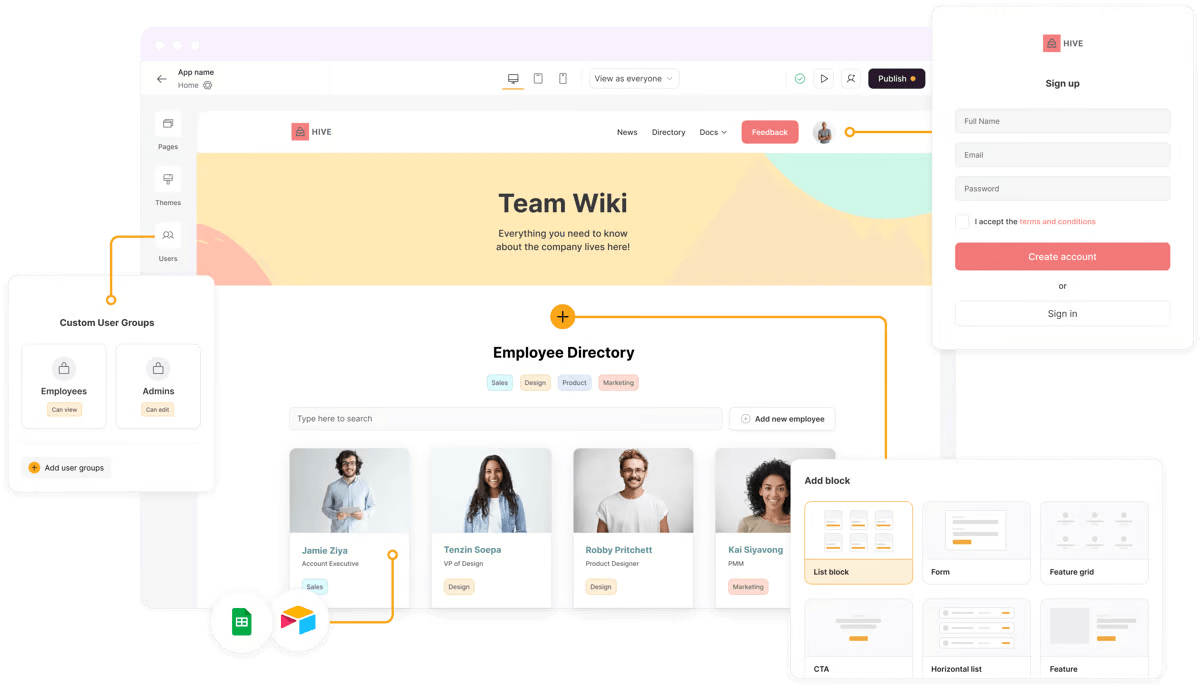
Softr는 코드 없이 웹사이트와 웹 애플리케이션을 제작할 수 있는 플랫폼입니다. 웹사이트, 온라인 스토어, 대출, 블로그 및 기타 온라인 프로젝트를 빠르게 만들 수 있는 도구를 제공합니다.


 소프트웨어
소프트웨어

필터 · 225 · 소프트웨어
Softr는 코드 없이 웹사이트와 웹 애플리케이션을 제작할 수 있는 플랫폼입니다. 웹사이트, 온라인 스토어, 대출, 블로그 및 기타 온라인 프로젝트를 빠르게 만들 수 있는 도구를 제공합니다.
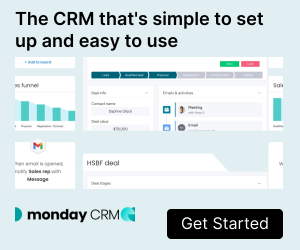
월요일 영업 CRM으로 영업 효율성을 개선하세요. 고객 데이터를 중앙 집중화하고, 작업을 자동화하고, 거래를 추적하여 원활한 프로세스를 진행하세요. 실시간 분석을 통해 심층적인 인사이트를 확보하세요.
중소기업에 디지털 솔루션을 홍보, 판매, 청구, 제공할 수 있는 AI 기반 플랫폼입니다. 또한 고객에게 디지털 도구와 서비스를 감독할 수 있는 맞춤형 시스템을 제공합니다.

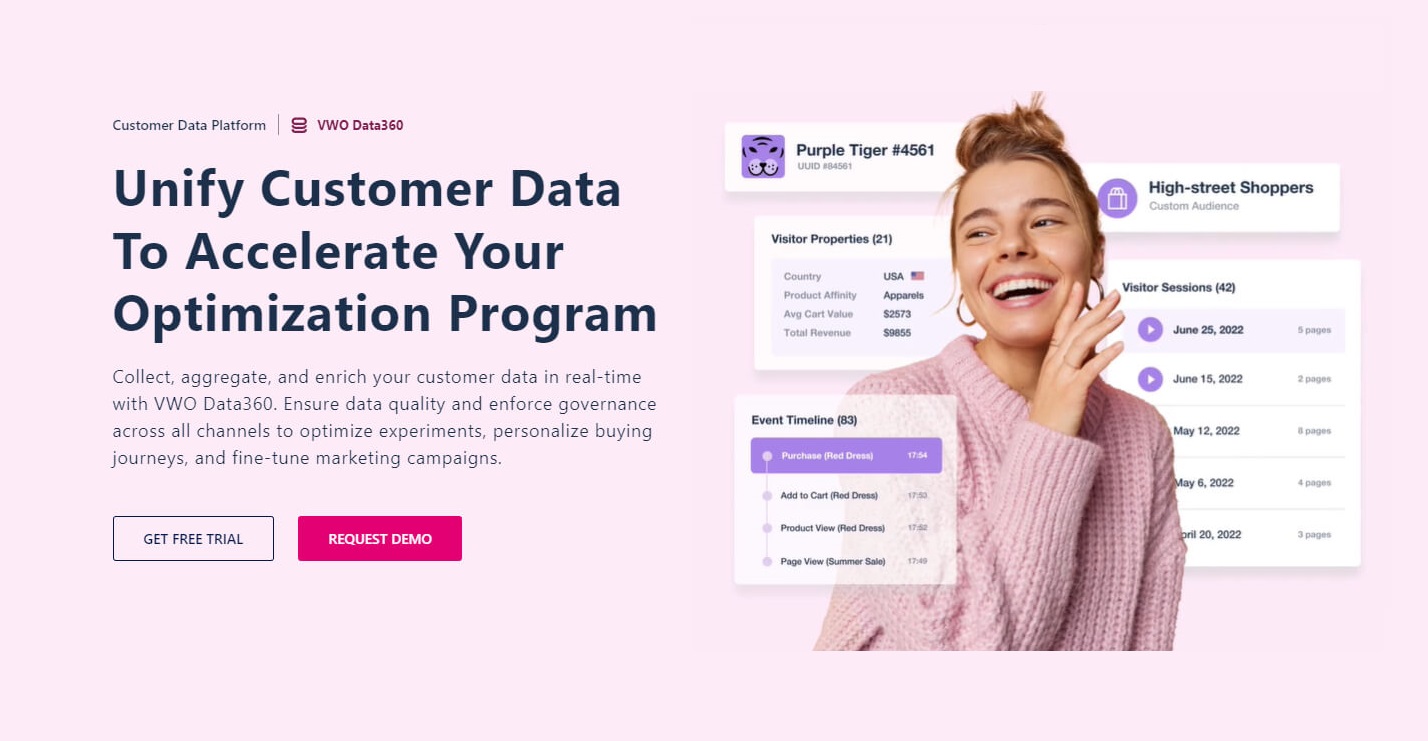
VWO Data360: 고급 데이터 분석 및 최적화 플랫폼. 웹 분석, CRM 등에서 얻은 인사이트를 활용하세요. 디지털 제품을 개선하기 위해 ML/AI를 사용한 자동화된 테스트는 정보에 기반한 의사 결정을 위한 강력한 보고 및 데이터 시각화를 제공합니다.
Closely는 팀이 이메일과 LinkedIn을 통해 쉽고 효과적으로 잠재 고객의 참여를 유도할 수 있도록 지원하는 올인원 영업 참여 플랫폼입니다. 개인화된 캠페인, 영업 파이프라인 관리, 기본 CRM 통합과 같은 기능을 통해 Closely는 기업이 영업 프로세스를 간소화하고 전환율을 높일 수 있도록 지원합니다.
바운서는 반송률을 줄이고 스팸을 방지하기 위해 설계된 이메일 확인 및 전달성 플랫폼입니다. 강력한 보안 조치와 이메일 유해성 검사 같은 사용자 친화적인 기능을 통해 높은 성능을 보장합니다. 대기업과 중소기업이 신뢰하는 Bouncer는 마케팅, 이메일, 영업 도구와 원활하게 통합되어 효율성을 향상시킵니다.

RocketReach는 전문가를 위한 이메일 조회 및 연락처 정보를 제공하는 종합 플랫폼입니다. 개인과 기업의 이메일 주소, 전화번호, 소셜 미디어 프로필을 찾을 수 있도록 도와줍니다.



Javelo는 인터뷰, 성과 검토, 직원 참여를 최적화하도록 설계된 종합적인 HR 플랫폼입니다. 지속적인 성과 모니터링, 가벼운 피드백, 성과 관리 및 보고를 위한 명확한 대시보드 등 HR 프로세스를 간소화하고 협업을 촉진하는 다양한 기능을 제공합니다.

Dubb는 강력한 비디오 커뮤니케이션 플랫폼입니다. 비디오 이메일, 화면 녹화, 라이브 비디오 세션과 같은 기능을 지원하여 비즈니스 커뮤니케이션과 참여를 향상시킵니다.

웹의 34%를 지원하는 WordPress.com은 온라인 입지를 구축하기 위한 안전하고 유연하며 강력한 플랫폼을 제공합니다. 귀하의 비즈니스 요구 사항을 충족하도록 맞춤화되어 비교할 수 없는 다양성과 강점을 제공하여 귀하의 웹사이트가 돋보일 수 있도록 보장합니다.

마케팅 자동화 플랫폼으로 이메일 및 광고 캠페인을 생성, 전송, 분석할 수 있습니다. 상세한 캠페인 인사이트, 사용자 지정 가능한 템플릿, 구독자 관리 기능을 제공합니다.

스타트업 및 소규모 기업을 위한 맞춤형 Salesflare CRM 도구로, 제로 입력 영업 파이프라인을 통해 사용자 참여를 간소화합니다. 소셜 미디어와 이메일을 포함한 여러 플랫폼에서 데이터 입력과 상호 작용 추적을 자동화하여 커뮤니케이션 작업을 간소화합니다.

Shopify POS는 대면 거래 및 결제 처리를 간소화하는 종합 소매 관리 시스템입니다. 일상적인 운영, 고객 관계 구축, 원활한 전자상거래 통합을 위한 도구를 제공합니다. Shopify의 강력한 POS 및 전자상거래 솔루션으로 매장 및 온라인 판매를 통합하고 재고를 동기화하며 다양한 쇼핑 옵션을 제공할 수 있습니다.

Freshdesk는 클라우드 기반의 고객 서비스 관리 및 지원 소프트웨어입니다. 이 플랫폼은 지식 기반을 유지하고, 고객의 질문과 요청을 추적하며, 요청 처리를 자동화하기 위한 도구를 제공합니다.

Pipedrive는 영업팀이 리드와 거래를 효과적으로 관리하도록 돕는 데 중점을 둔 고객 관계 관리(CRM) 도구입니다. 사용자가 영업 프로세스의 다양한 단계에서 거래를 추적하고 우선순위를 지정할 수 있는 시각적 파이프라인 인터페이스를 제공합니다.

Genesys Cloud CX는 다양한 산업에서 고객 참여를 향상시킵니다. 컨택 센터 및 CRM을 위한 고급 도구를 제공하여 통화 라우팅, 워크플로 관리를 간소화하고 서비스 프로세스를 개선합니다.

효과적인 거래 성사, 관계 구축, 최적화된 파이프라인 관리를 제공하는 강력한 플랫폼인 HubSpot CRM 기반의 Sales Hub.

ChurnZero는 기업의 고객 손실(이탈)을 관리하고 줄이기 위한 플랫폼입니다. 고객과 소통하고, 고객의 활동을 추적하고, 데이터를 분석하여 고객 이탈 가능성의 징후에 적시에 대응할 수 있는 도구를 제공합니다. ChurnZero는 고객 만족도를 높이고 향후 비즈니스 개발을 위해 고객을 유지하는 데 도움이 됩니다.

TrueReview는 온라인 리뷰를 늘리고 가시성을 높이며 신뢰를 구축하는 자동화된 플랫폼입니다. Zapier 또는 API를 통해 CRM과 통합되어 SMS와 이메일을 통해 리뷰 요청을 전송합니다. 이 플랫폼은 AI를 사용하여 개인화된 응답을 생성하고 상위 리뷰를 소셜 미디어 게시물로 전환합니다. 또한 맞춤형 설문조사를 통해 고객 피드백을 수집하고 500개 이상의 통합을 지원하여 비즈니스의 성장과 지역 검색 순위 향상을 돕습니다.

Streak는 받은 편지함에 바로 통합되어 작업 관리, 캘린더, 미리 알림 등을 제공하는 Gmail용 CRM입니다. 영업 및 이메일 지원부터 채용 및 제품 관리에 이르기까지 비즈니스 프로세스를 효율적으로 관리하세요.
Zoho Desk를 통해 조직은 이메일, 채팅, 전화 등 다양한 채널을 통해 고객과 효과적으로 소통하고, 요청을 추적하고, 워크플로우를 관리하고, 지원을 제공할 수 있습니다.

Close는 통합 영업 이메일, 통화, 작업 관리 기능을 통해 영업팀의 효율성을 높일 수 있도록 설계된 올인원 CRM 플랫폼입니다. 프로세스를 간소화하여 최초 접촉부터 거래 성사까지 영업 주기를 최적화하므로 영업 생산성을 우선시하는 조직에 이상적입니다.

Salesforce Maps는 영업 데이터를 지리적으로 시각화 및 분석하고, 영업 경로를 최적화하고, 실시간 인사이트와 내장된 지침을 통해 생산성을 높일 수 있도록 지원하는 영업 매핑 도구로, 영업 계획 및 실행을 개선하기 위한 모바일 액세스를 지원합니다.

조호 CRM의 Bigin은 영업 거래, 고객 지원, 온보딩을 관리할 수 있는 도구를 제공하는 강력한 CRM 플랫폼입니다. 주요 기능으로는 데이터 중복 제거, 팀 협업, 매출 증대, 리드 전환 최적화, 간소화된 영업 프로세스 등이 있습니다.

ConWize는 건설 전 단계를 간소화하도록 설계된 클라우드 기반 건설 비용 견적 및 입찰 소프트웨어입니다. 고급 비용 견적, 가격 분석, 위험 관리 및 예측 분석을 제공하여 종합 건설업체, 개발자 및 하청업체의 원활한 입찰 관리 및 입찰 제출을 지원합니다.

사용자 친화적인 CRM 소프트웨어로 영업 프로세스를 최적화하세요. 리드 관리부터 거래 성사, 원활한 인수인계에 이르기까지 영업 여정을 간소화합니다. Teamwork CRM이 어떻게 영업 전략을 개선하여 보다 원활한 비즈니스 성장과 체계적인 파이프라인을 지원하는지 살펴보세요.

가치 창출 시간을 단축하고, 고객 경험을 개선하며, 수익을 최적화하도록 설계된 온보딩 및 전문 서비스 소프트웨어입니다. 프로젝트 관리, 리소스 및 재무를 통합하는 통합 작업 공간을 제공합니다.

평판 마케팅 플랫폼인 나이스잡으로 비즈니스의 수준을 높이세요. 리뷰를 자동화하고, 전환율을 높이고, 최고 평점을 획득하세요.

클라우드 기반 건설 관리 솔루션으로, 프로젝트 조정을 중앙 집중화하여 계약자, 하도급자 및 팀 간의 원활한 협업을 가능하게 합니다. BIM 파일, 도면 및 양식을 공유하세요.

통합 티켓팅 시스템으로 고객 문의를 간소화하세요. 요청, 추적, 보고, 청구까지 한 곳에서 효율적으로 관리하세요.
배포
가격 옵션
CRM Software: Features, Benefits, and Business Impact
CRM software is designed to help sales and marketing teams manage leads, automate workflows, and improve customer engagement. It operates in a secure cloud environment, providing designated teams with access to customer data and streamlining sales processes.
CRM software includes modules such as lead management, marketing automation, sales tracking, accounting, ERP integration, and campaign management. It segments customer data based on lead status, demographics, and engagement, ensuring business development reps (BDRs) can handle custom sales pipelines effectively.
The system centralizes customer interactions, tracks sales progress, and automates key processes, from lead acquisition to finalizing deals. It also manages transactions, outstanding payments, helpdesk tickets, and customer service requests, providing businesses with a comprehensive view of customer relationships and overall performance.
By integrating CRM software, businesses can enhance efficiency, improve decision-making, and drive revenue growth through data-driven strategies.


Your vote has been counted.
Do you have experience using this software?