We've compiled a list of 12 free and paid alternatives to HVR. The primary competitors include AWS Glue, TimeXtender. In addition to these, users also draw comparisons between HVR and MetaRouter, G-Accon, WSO2 API Manager. Also you can look at other similar options here: About.
We've compiled a list of 12 free and paid alternatives to HVR. The primary competitors include AWS Glue, TimeXtender. In addition to these, users also draw comparisons between HVR and MetaRouter, G-Accon, WSO2 API Manager. Also you can look at other similar options here: About.
AWS Glue is a serverless data integration service that simplifies the ETL process by enabling easy discovery, preparation, and integration of data from diverse sources. It supports event-driven ETL, a data catalog, no-code ETL jobs, and data quality…
TimeXtender is a metadata-driven, low-code data integration platform that automates data ingestion, preparation, and delivery across storage platforms. It streamlines workflows, reduces the need for manual coding, and supports secure, scalable data …
Ensures data integration with third-party tools. Deploy on a private or shared cloud to restrict raw data access while enabling server-side integrations that eliminate slow browser tags and duplicates.
G-Accon is a solution designed to integrate Google Sheets with popular accounting platforms like Xero, QuickBooks, and FreshBooks. It streamlines financial operations by providing real-time analytics, automation, and simplified data management.
HVR is a data replication software that securely transfers and synchronizes data across cloud and on-premise systems in real time. It ensures data integrity and availability for analytics, backups, and migrations. Designed to optimize data integration and reduce downtime.
HVR is a data replication software that securely transfers and synchronizes data across cloud and on-premise systems in real time. It ensures data integrity and availability for analytics, backups, and migrations. Designed to optimize data integration and reduce downtime.
HVR Platforms
Web-Based
Windows
HVR Video and Screenshots
HVR Overview
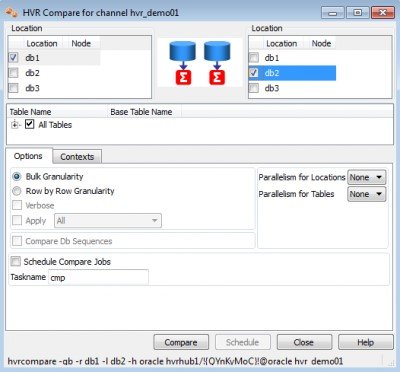
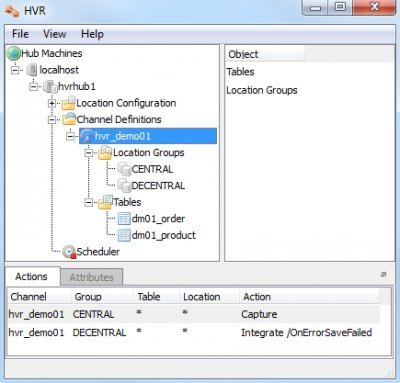
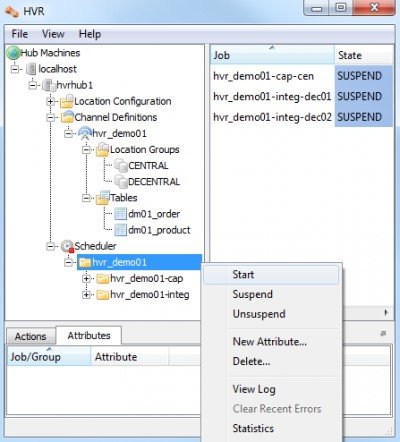
HVR is an advanced data replication platform built to enable high-volume, real-time data integration across a wide range of environments. It operates on a hub-and-spoke architecture with optional lightweight agents that handle data movement efficiently between multiple sources and targets, such as relational databases, cloud services, and big data platforms. This architecture reduces the load on the central server, enhances scalability, and optimizes resource usage, which results in faster and more reliable data synchronization. HVR supports diverse data formats and complex network topologies, making it adaptable to various enterprise infrastructures and integration needs.
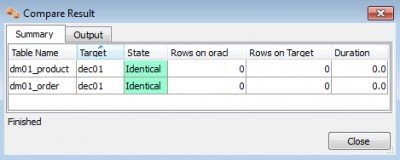
One of the core strengths of HVR is its Change Data Capture (CDC) technology, which continuously replicates only changed data to minimize system impact and latency. This feature is essential for maintaining up-to-date information in real time, supporting use cases like live analytics, operational reporting, and disaster recovery. Additionally, HVR includes capabilities for live data comparison, repair, and automated conflict resolution to ensure data integrity across distributed systems. Its flexible deployment options, robust security measures, and extensive platform support make HVR a powerful tool for organizations aiming to streamline data workflows and accelerate business intelligence initiatives.