选择您的语言

主页 arrow-right 客户关系管理软件
Softr
Subscription Free Free Trial

Softr 是一个无需代码即可创建网站和网络应用程序的平台。它为快速创建网站、在线商店、借贷、博客和其他在线项目提供了工具。

Vendasta
Subscription Free Trial

该公司是一个人工智能平台,可为中小企业推广、销售、结算和提供数字解决方案。此外,它还为客户提供定制系统,以监督其数字工具和服务。

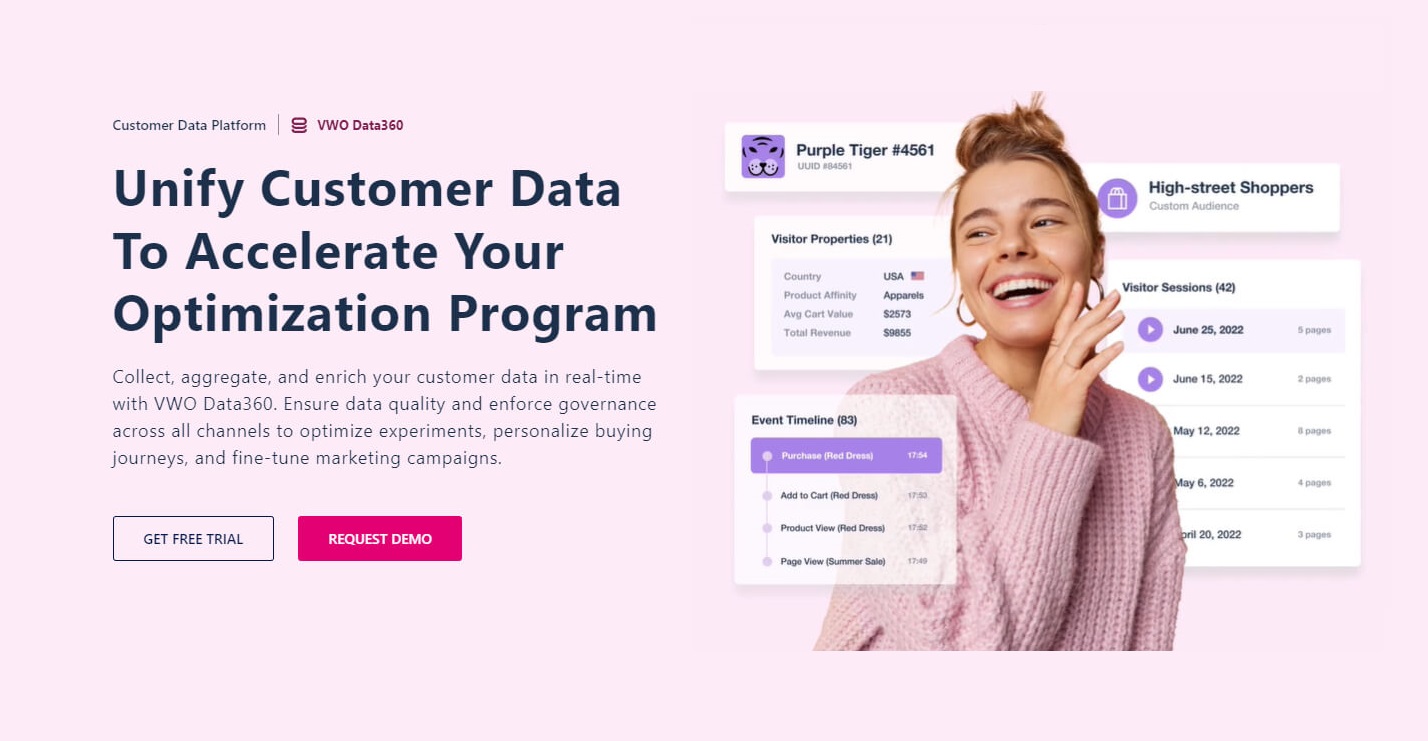
VWO Data360:先进的数据分析和优化平台。从网络分析、客户关系管理及更多方面获取洞察力。 使用 ML/AI 进行自动测试,以改进数字产品,为明智决策提供强大的报告和数据可视化。

Closely
Subscription Free

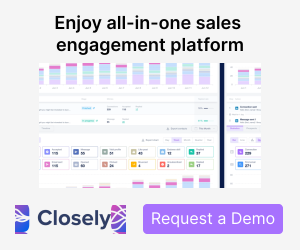
Closely 是一个一体化的销售互动平台,使团队能够通过电子邮件和 LinkedIn 轻松有效地与潜在客户互动。Closely 具有个性化营销活动、销售管道管理和原生 CRM 集成等功能,可帮助企业简化销售流程并提高转化率。

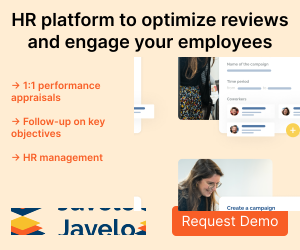
Javelo 是一个全面的人力资源平台,旨在优化面试、绩效考核和员工参与。它提供一系列简化人力资源流程和促进协作的功能,包括持续绩效监控、轻量级反馈以及用于绩效管理和报告的清晰仪表板。

Dubb
Subscription Free Free Trial
Shopify POS
Subscription Free Trial

Shopify POS 是一个全面的零售管理系统,可简化现场交易和支付处理。它为日常运营、客户关系建立和无缝电子商务集成提供了工具。利用 Shopify 强大的销售点管理系统和电子商务解决方案,统一店内和网上销售,同步库存,并提供多种购物选择。

HubSpot Sales Hub
Free Trial Subscription Free

由 HubSpot CRM 提供支持的 Sales Hub 是一个功能强大的平台,可有效完成交易、建立关系和优化管道管理。

ChurnZero
Subscription

ChurnZero 是一个管理和减少公司客户流失(流失)的平台。它提供与客户互动、跟踪客户活动和分析数据的工具,以便及时应对可能出现的客户流失迹象。ChurnZero 有助于提高客户满意度,留住客户以进一步发展业务。

TrueReview
Subscription Free Trial

TrueReview 是一个自动化平台,可提升在线评论、提高知名度并建立信任。它通过 Zapier 或 API 与 CRM 集成,通过短信和电子邮件发送评论请求。该平台利用人工智能生成个性化回复,并将热门评论转化为社交媒体帖子。它还通过可定制的调查收集客户反馈,并支持 500 多个集成,帮助企业发展和提高本地搜索排名。

Streak
Subscription Free Free Trial
Close
Subscription Free Trial
Salesforce Maps
Subscription Free

Salesforce Maps 是一款与 Salesforce CRM 集成的销售地图工具,可帮助企业可视化和分析地理位置上的销售数据,优化销售路线,并通过实时洞察和嵌入式指导提高生产率,支持移动访问以改进销售计划和执行。

Bigin by Zoho CRM
Subscription Free Free Trial

Zoho CRM 的 Bigin 是一个功能强大的 CRM 平台,提供管理销售交易、客户支持和入职的工具。其主要功能包括重复数据删除、团队协作、收入增长、销售线索转换优化和简化销售流程。

ConWize
Subscription Free Trial

ConWize 是一款基于云计算的建筑成本估算和投标软件,旨在简化施工前阶段的工作。它提供先进的成本估算、价格分析、风险管理和预测分析功能,可为总承包商、开发商和分包商实现无缝投标管理和投标提交。

Teamwork CRM
Subscription Free Trial

使用用户友好型 CRM 软件优化销售流程。从销售线索管理到达成交易和无缝交接,它都能简化您的销售流程。了解 Teamwork CRM 如何增强您的销售策略,实现更顺利的业务增长和有序的管道。

Rocketlane
Subscription Free Trial

入职和专业服务软件旨在加快实现价值的时间、增强客户体验并优化利润。它提供了一个整合项目管理、资源和财务的统一工作空间。

NiceJob
Free Subscription Free Trial

借助声誉营销平台 NiceJob,提升您的业务水平。自动化评论,提高转化率,成为最佳选择。

Fonn
Subscription

基于云的施工管理解决方案,集中项目协调,实现承包商、分包商和团队之间的无缝协作。共享BIM文件、图纸和表单。

Teamwork Desk
Subscription Free Trial

通过集成的票务系统简化客户查询。

过滤器 · 225 · 软件

部署


定价选项


CRM Software: Features, Benefits, and Business Impact

CRM software is designed to help sales and marketing teams manage leads, automate workflows, and improve customer engagement. It operates in a secure cloud environment, providing designated teams with access to customer data and streamlining sales processes.

CRM software includes modules such as lead management, marketing automation, sales tracking, accounting, ERP integration, and campaign management. It segments customer data based on lead status, demographics, and engagement, ensuring business development reps (BDRs) can handle custom sales pipelines effectively.

The system centralizes customer interactions, tracks sales progress, and automates key processes, from lead acquisition to finalizing deals. It also manages transactions, outstanding payments, helpdesk tickets, and customer service requests, providing businesses with a comprehensive view of customer relationships and overall performance.

By integrating CRM software, businesses can enhance efficiency, improve decision-making, and drive revenue growth through data-driven strategies.

Types of CRM: Finding the Right Solution for Your Business

  • Sales Automation CRM
    This CRM is designed to streamline and automate sales processes, allowing teams to classify leads based on intent, send automated emails, log interactions, and track deal progress. It enhances efficiency by eliminating manual tasks, providing sales reps with structured workflows, and giving managers real-time insights into team performance.
  • Analytical CRM
    Focused on data-driven decision-making, this CRM is used by data analysts and business intelligence teams to generate reports, track customer behavior, and predict future sales trends using AI and predictive modeling. It helps businesses optimize campaigns, refine marketing strategies, and identify high-value customers.
  • Industry-Specific CRM
    Tailored for specific industries such as healthcare, finance, automotive, real estate, and e-commerce, this CRM customizes workflows, reporting, and automation based on sector-specific requirements. It ensures compliance with industry regulations, aligns with operational goals, and enhances customer interactions with industry-relevant tools.
  • Social CRM
    This CRM integrates with social media platforms to track interactions, analyze engagement, and store customer data from social channels. It helps businesses manage social media inquiries, monitor brand sentiment, and personalize outreach based on audience behavior.
  • Mobile CRM
    A mobile-friendly CRM that allows sales teams and managers to access customer data, track leads, and manage campaigns on the go via Android or iOS apps. It provides push notifications, real-time updates on sales performance, and seamless integration with other mobile productivity tools.
  • All-in-One CRM
    This comprehensive CRM suite combines multiple functions, including lead nurturing, marketing automation, query management, payment processing, and contract renewals. It eliminates the need for separate software systems by offering an all-inclusive solution for sales, customer service, and marketing.
  • Standalone CRM
    A self-sufficient CRM that operates independently without requiring integration with other platforms. It includes core CRM functionalities like contact management, lead tracking, and reporting, making it ideal for businesses that need a simple yet powerful customer management system.
  • Strategic CRM
    This type of CRM aligns customer data with long-term business objectives, helping companies develop strategies to enhance customer relationships, improve retention, and maximize revenue. It focuses on trend analysis, personalized marketing, and long-term customer engagement plans.
  • Cloud-Based CRM
    A scalable and flexible CRM hosted on the cloud, eliminating the need for on-premise hardware. It ensures secure data storage, seamless updates, and remote access, making it an ideal solution for businesses that require high adaptability and real-time data synchronization.
  • Small Business CRM
    Designed for startups and small businesses, this CRM integrates essential tools like cloud telephony, bulk data import/export, and automation features to simplify customer management. It helps smaller teams efficiently track leads, schedule follow-ups, and manage sales activities without the complexity of enterprise-level systems.

Key Features of CRM Software

  • Account and Contact Management
    This feature centralizes key contact details like email addresses, phone numbers, and roles within an organization. Users can organize contacts by account, facilitating quick access to relevant info and ensuring seamless communication.
  • Opportunity Management
    Tracks leads as they progress through various stages of the sales funnel. It allows users to forecast the likelihood of deal closure, monitor the status of opportunities, and identify risks such as the potential loss of account renewals.
  • Notes and Disposition
    Salespeople can log important insights and notes during client interactions, capturing customer needs, pain points, and any relevant information for future follow-ups. This enhances the personalization of sales outreach and ensures continuity in communication.
  • Lead Management
    Manages a centralized lead database, integrating features like lead scoring to rank prospects. Based on interactions such as website visits or downloads, it helps identify high-potential leads for targeted follow-up.
  • Reporting and Analytics Dashboards
    Visual dashboards offer comprehensive insights into sales performance. Users can analyze historical data, customer segmentation, team performance, and profitability, aiding in strategic decision-making and improving sales efficiency.
  • Marketing Automation
    Automates the process of sending targeted content and messages to leads based on their demographics and behaviors. Through drip campaigns, the system nurtures leads by sending relevant emails, offers, or content at the right moment in the sales cycle.
  • Workflow Automation
    Streamlines daily tasks by automating workflows based on preset conditions. This reduces manual effort, enhances team productivity, and allows sales and marketing teams to focus on critical revenue-generating activities.
  • System Integration
    Allows the CRM to connect with other business systems like ERPs, finance tools, or marketing platforms. By integrating these systems, it ensures seamless data flow and makes it easier to manage multiple aspects of the business from a unified interface.

Key Advantages of CRM Software

  • Improved Customer Relationships: CRM software logs interactions like calls, emails, and meetings, helping salespeople stay on top of customer engagement. By understanding where customers are in the sales cycle, sales reps can tailor their communication and optimize upsell opportunities or additional engagement.
  • Data Alignment: A CRM unifies data across departments. It ensures every team has a complete and current view of customers and leads, enabling better coordination. For instance, leads captured from website forms are automatically entered into the CRM with all relevant details, providing context for future communication.
  • Increased Revenue: Detailed insights from CRM help businesses understand customer pain points and needs. By aligning solutions to these needs, businesses can close more deals and increase their revenue potential, as they’re more prepared to address specific challenges.
  • Shared Understanding of Account Status: CRM software consolidates all information from various departments. With this shared view, everyone—from sales to support—knows the status of an account and the next steps. It fosters teamwork and ensures timely interventions to keep deals moving forward.
  • Enhanced Efficiency and Marketing ROI: CRM software aids sales teams by streamlining their workflows, reducing administrative tasks, and automating routine processes. This allows salespeople to focus more on high-impact activities, improving sales productivity. For marketing, CRM helps track lead interactions, qualifying them, and optimizing marketing spend to maximize ROI.
  • Data-Driven Decision Making: The CRM’s analytics and reporting tools provide deep insights into customer behavior, sales trends, and team performance. This data allows business leaders to make more informed decisions about strategy, marketing focus, and resource allocation, ultimately driving more successful outcomes.

() out of 5
查看比较

Your vote has been counted.

Do you have experience using this software?