We've compiled a list of 3 free and paid alternatives to Træfik. The primary competitors include nginx, CacheGuard-OS. In addition to these, users also draw comparisons between Træfik and Haproxy. Also you can look at other similar options here: Security and Privacy Software.
We've compiled a list of 3 free and paid alternatives to Træfik. The primary competitors include nginx, CacheGuard-OS. In addition to these, users also draw comparisons between Træfik and Haproxy. Also you can look at other similar options here: Security and Privacy Software.
Nginx is a high-performance web server and reverse proxy. It handles HTTP, HTTPS, load balancing, and caching to improve website speed and reliability. Nginx efficiently manages concurrent connections, making it ideal for serving static content and …
HAProxy is a high-performance load balancer and proxy server for TCP and HTTP applications. It improves reliability and scalability by distributing network traffic across multiple servers, ensuring high availability and faster response times for web…
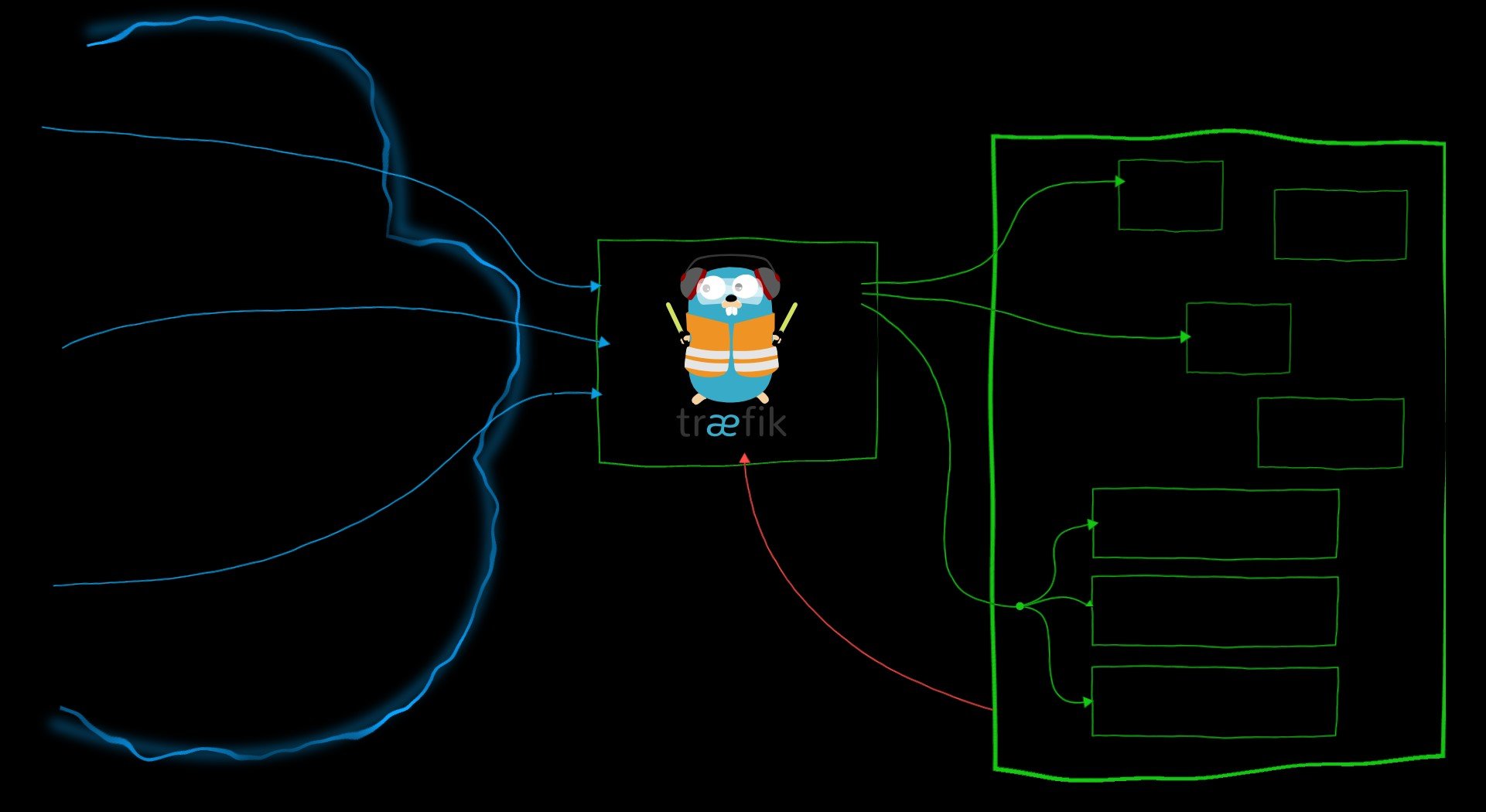
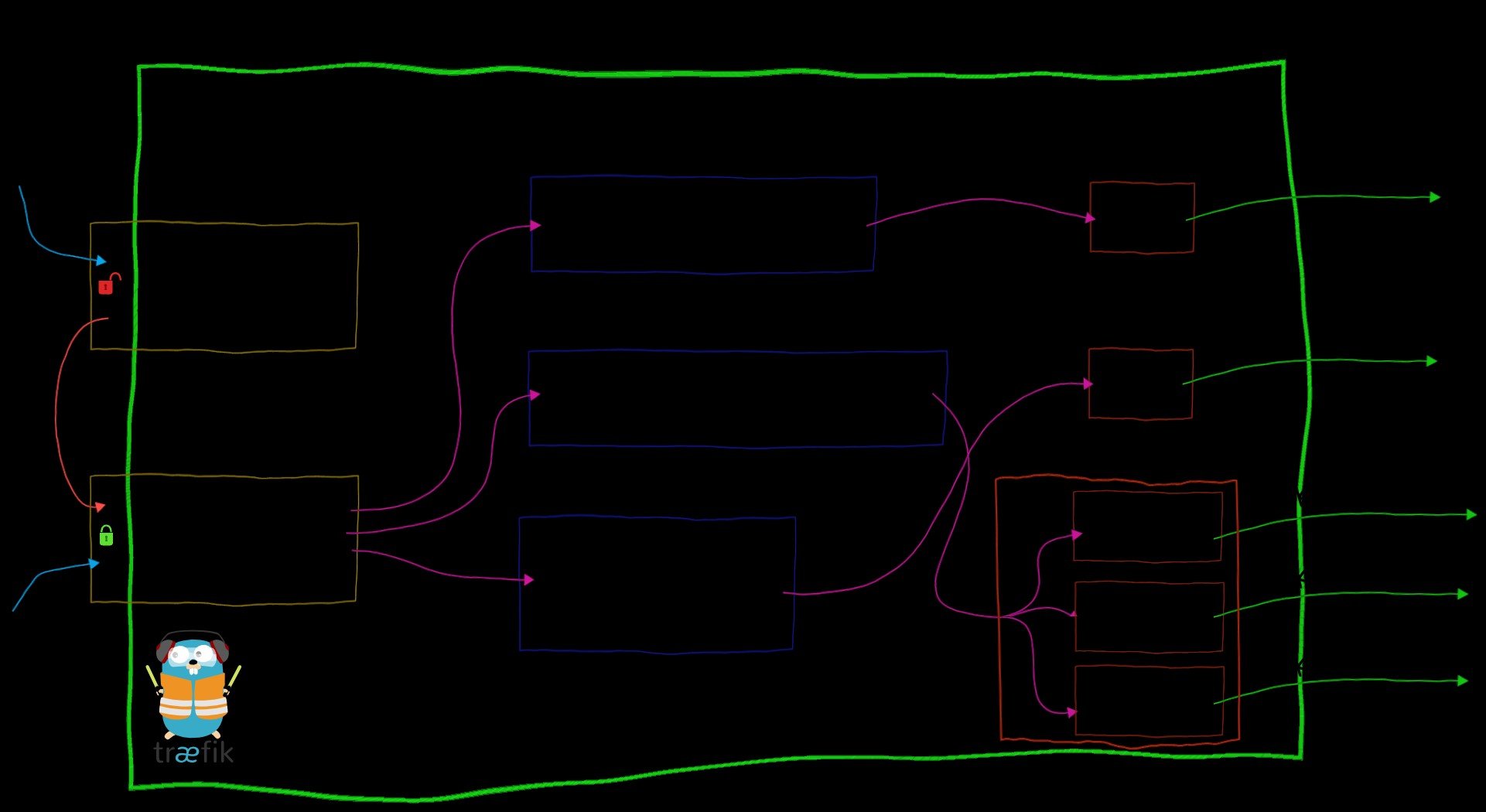
Imagine that you have deployed a bunch of microservices on your infrastructure. You probably used a service registry (like etcd or consul) and/or an orchestrator (swarm, Mesos/Marathon) to manage all these services. If you want your users to access some of your microservices from the Internet, you will have to use a reverse proxy and configure it using virtual hosts or prefix paths:
- domain api.domain.com will point the microservice api in your private network - path domain.com/web will point the microservice web in your private network - domain backoffice.domain.com will point the microservices backoffice in your private network, load-balancing between your multiple instances
But a microservices architecture is dynamic... Services are added, removed, killed or upgraded often, eventually several times a day.
Traditional reverse-proxies are not natively dynamic. You can't change their configuration and hot-reload easily.